
A government license doesn’t guarantee a quality puppy; it often signifies the bare minimum required for a commercial operation.
- The USDA license regulates large-scale commercial facilities (puppy mills) with standards focused on survival, not well-being.
- True quality is evidenced by verifiable genetic health testing (genotype), multi-year guarantees, and a breeder’s lifelong commitment to their dogs.
Recommendation: Become an investigator who evaluates a breeder’s program, ethics, and evidence—not just the logos on their website.
In the search for a well-bred puppy, you’re confronted with a confusing array of logos and acronyms. You see a breeder’s website proudly displaying a USDA license, while another highlights their status as an AKC Breeder of Merit. It’s natural to assume any official-looking seal is a mark of quality. This assumption is not only incorrect, but it can be dangerous, potentially leading you to support the very puppy mill you’re trying to avoid. Many buyers believe that “AKC registered” is a sign of a good dog, but registration alone simply means the puppy’s parents were of the same breed.
The common advice is to “do your research,” but what does that truly entail? It means learning to see past the surface-level credentials. The critical distinction lies not in which organization provides the label, but in what that label actually measures. One is a license to operate a business, often with disturbingly low standards for animal welfare. The other is an award earned through years of dedication to a breed’s health, temperament, and structure. It’s the difference between a dog as a commodity and a dog as the outcome of a careful preservationist’s work.
But what if the key to finding a reputable breeder wasn’t about choosing between two logos, but about learning to ignore them as primary indicators? This guide will equip you with a discerning, evidence-based framework. We will dismantle the meaning behind these credentials and show you how to identify the true hallmarks of an ethical breeder: the rigorous questions they ask, the transparency they offer, the costs they incur for quality, and the lifelong commitment they make to every puppy they produce. You will learn to read the proof, not just the packaging.
This article provides a detailed roadmap for navigating the complex world of dog breeding. Below is a summary of the key areas we will explore to help you distinguish a true custodian of a breed from a commercial producer.
Summary: A Guide to Identifying an Ethical Dog Breeder
- The Interrogation: Why a Good Breeder Asks You More Questions Than You Ask Them?
- No Photos of Parents: The Craigslist Scams to Avoid
- Why Does a Well-Bred Puppy Cost $3000? (The Cost Breakdown)
- Mentorship: The Value of a Breeder Who Answers the Phone at 2 AM
- 1-Year vs. 3-Year Genetic Guarantees: What Is Standard?
- The “Return to Breeder” Clause: The Hallmark of Ethics
- Pre-Existing Conditions: Will Insurance Cover a Congenital Flaw?
- Genotype vs. Phenotype: Why “Vet Checked” Isn’t Enough?
The Interrogation: Why a Good Breeder Asks You More Questions Than You Ask Them?
The first sign you’re dealing with an ethical breeder is that the initial conversation feels less like a sales transaction and more like a rigorous job interview where you are the applicant. A responsible breeder sees themselves as a custodian of their breed and the first guardian of their puppies. Their primary goal is not to make a sale, but to ensure each puppy is placed in a permanent, loving, and appropriate home. They have poured immense time, emotion, and financial resources into this litter, and they are deeply invested in its future.
This “interrogation” is a crucial part of their due diligence. They will ask about your living situation, your work schedule, your experience with the breed, and your plans for training and exercise. They are assessing your readiness for a 10-15 year commitment. Be prepared for questions like:
- What is your experience with this breed’s energy level and grooming needs?
- Who will be the primary caregiver for the puppy?
- How many hours per day will the puppy be left alone?
- Do you have a fenced yard and what are your exercise plans?
- Are you prepared for the financial commitment of dog ownership?
Conversely, a breeder who is quick to take your deposit without asking these probing questions is a major red flag. According to responsible breeding practices, breeders should refuse sales when buyers give concerning responses such as “I want it for a surprise gift,” “Which one is the cheapest?”, or “I work 12 hours a day.” These answers signal a lack of preparedness for the reality of dog ownership. An ethical breeder isn’t trying to be difficult; they are being responsible. Their scrutiny is the first layer of protection for the puppy and a clear sign of their commitment.
No Photos of Parents: The Craigslist Scams to Avoid
In the digital age, a breeder’s online presence is their storefront, and photographs are their product display. For scammers and low-quality breeders, this is an opportunity to deceive. One of the most glaring red flags is the absence of clear, recent photos or videos of the puppies with their mother. Scammers often steal photos from legitimate breeders’ websites, so the images may look professional, but they won’t be able to provide new, specific photo requests or, most importantly, a live video call.
This is where your forensic skills come into play. A reputable breeder will be proud to show you the dam (mother) with her litter in a clean, safe, and nurturing environment. If they are hesitant or make excuses, walk away. They should also be able to provide photos and health testing documentation for the sire (father), even if he is not on-site. The lack of transparency around the parents is a strong indicator that the seller is either a broker with no connection to the dogs (a puppy flipper) or a large-scale commercial breeder (puppy mill) hiding squalid conditions.

You must become an active investigator. Use reverse image search tools (like Google Images) to see if the puppy photos appear on multiple other websites under different breeder names. Pay close attention to the background of any photos you do see. Are the puppies on clean bedding, or are they on wire floors or dirty concrete? Are they bright-eyed and energetic, or do they look lethargic with dull coats? Any signs of eye or nose discharge are a significant warning. The adage “a picture is worth a thousand words” is an understatement here; it could be worth thousands of dollars and save you from immense heartache.
Why Does a Well-Bred Puppy Cost $3000? (The Cost Breakdown)
The sticker shock is real. When you see a puppy priced at $3,000 or more, while another “purebred” down the street is listed for $500, it’s easy to think the expensive breeder is just greedy. The reality is quite the opposite. That high price tag doesn’t represent profit; it represents the immense cost of responsible breeding and is a strong indicator of quality. A low-cost puppy is often a sign that critical corners have been cut, the consequences of which you will likely pay for later in vet bills and training challenges.
Ethical breeders make a significant financial investment in their breeding program long before a litter is even conceived. This includes purchasing their foundation dogs, competing in conformation or performance events to prove their stock is worthy of being bred, and, most critically, extensive health testing. These tests screen for genetic diseases common to the breed, as well as structural issues like hip and elbow dysplasia. These upfront costs are a massive differentiator between a responsible breeder and a puppy mill, which operates on a volume-based, low-overhead model.
The following table, based on data from breeding cost analyses, illustrates the stark financial differences. While a responsible breeder may invest over $15,000 into a single litter, a puppy mill’s expenses are minimal, prioritizing profit over the health and well-being of the dogs. This context is essential, as a recent analysis of breeder expenses breaks down these figures in detail.
| Expense Category | Responsible Breeder | Puppy Mill |
|---|---|---|
| Health Testing (Parents) | $1,500-$2,000 | $0 |
| Stud Fee | $1,000-$3,000 | $0 (own male) |
| Prenatal Care | $500-$800 | Minimal |
| Whelping Supplies | $500-$1,000 | $50-$100 |
| Puppy Vaccinations (per litter) | $400-$800 | $0-$200 |
| Microchipping | $40-$55 per puppy | $0 |
| Quality Food (8 weeks) | $600-$1,000 | $100-$200 |
| 24/7 Care (8 weeks) | Priceless | Minimal |
| Total Per Litter | $15,000-$20,000 | $500-$1,000 |
When you pay for a well-bred puppy, you are not just buying a dog. You are investing in its genetic health, sound temperament, and proper socialization. You are reimbursing the breeder for their tireless effort and expertise, and you are buying peace of mind that you are starting your journey with the healthiest puppy possible.
Mentorship: The Value of a Breeder Who Answers the Phone at 2 AM
A transaction with a puppy mill or backyard breeder ends the moment you hand over the cash. A relationship with an ethical breeder is just beginning. One of the most invaluable assets you gain from a quality breeder is a lifetime of mentorship. This person is your first call for everything, from a puppy’s first bout of digestive upset to navigating the challenging adolescent “fear periods.” They are your guide, your support system, and your dog’s biggest advocate.
This commitment is born from a deep sense of responsibility for the lives they’ve created. They have intimate knowledge of their bloodlines and can offer breed-specific advice that a veterinarian or generic training book simply cannot provide. They can guide you on optimal timing for spaying/neutering based on the latest research for your breed’s growth plates, or help you troubleshoot a specific training challenge that is common to their lines.
Case Study: The Lifetime Support Network
Responsible breeders often maintain vibrant communities of their puppy owners, creating a built-in support network. When a new owner is struggling with crate training, a quick post in a private owner’s group can yield advice from a dozen experienced owners of related dogs. The breeder acts as the central hub, offering expert guidance and celebrating milestones with their extended family. This network is a powerful resource for socialization, sharing tips, and even finding pet sitters you can trust. In stark contrast, puppy brokers and backyard breeders typically disappear after the sale, leaving new owners to navigate the complexities of dog ownership alone during the most critical developmental stages.
This ongoing relationship is a non-negotiable hallmark of a reputable breeder. During your initial “interrogation,” you should also be interviewing them. Ask about their policy on owner support. Ask if you can speak to owners of their other puppies. A great breeder will be thrilled to connect you with their happy owner community, which serves as their best reference. This mentorship is an intangible part of the puppy’s price, and its value is immeasurable.
1-Year vs. 3-Year Genetic Guarantees: What Is Standard?
A breeder’s health guarantee is a legal document that reflects their confidence in their breeding program. However, not all guarantees are created equal, and reading the fine print is essential. A common tactic of lower-quality breeders is to offer a one-year genetic health guarantee. While this sounds reassuring, it’s often a carefully constructed trap. Many of the most severe and costly genetic conditions, such as hip and elbow dysplasia, cannot be officially diagnosed and certified by organizations like the Orthopedic Foundation for Animals (OFA) until a dog is two years old.
A one-year guarantee conveniently expires just before these major problems can be formally identified, leaving the new owner to bear the full financial and emotional burden. An ethical breeder, confident in generations of health-tested ancestors, will stand behind their puppies for longer. The industry standard among top breeders is a guarantee of at least two to three years for heritable conditions like dysplasia. This demonstrates a true commitment to the health of the dogs they produce.
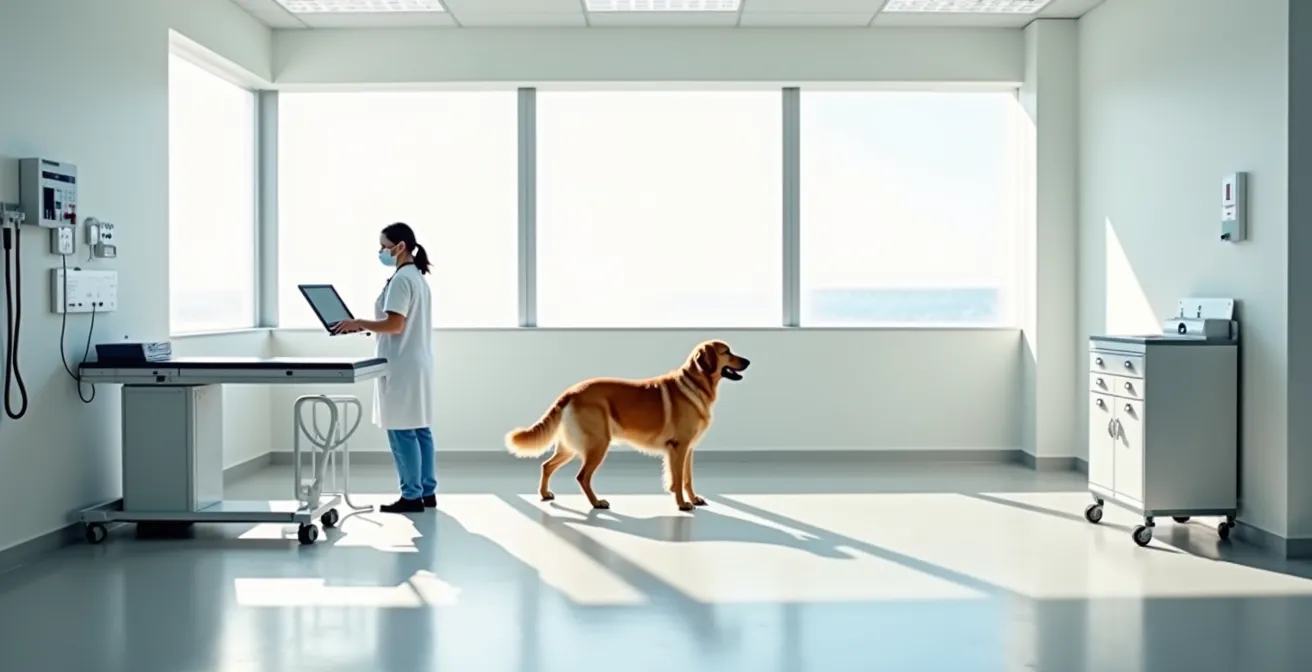
It’s also vital to understand the difference between a “health guarantee” and a “genetic guarantee.” The former typically covers short-term, communicable diseases (like parvovirus) for a few days after the sale, which is standard practice. The latter is what addresses long-term, inherited disorders. An ethical breeder’s program is built on a foundation of genetic testing. With modern genetic testing panels that screen for over 270 risk factors, breeders have more tools than ever to make informed decisions and reduce the incidence of disease. When a breeder invests in this level of testing, they are proud to back it up with a meaningful, multi-year guarantee.
The One-Year Guarantee Trap Explained
Imagine a puppy develops a limp at 18 months old. Your vet suspects hip dysplasia, but to get an official OFA certification, you must wait until the dog is 24 months old. By the time you get the devastating diagnosis, the one-year guarantee from the breeder has long since expired. The breeder is now legally off the hook. An ethical breeder offering a 2 or 3-year guarantee would still be accountable, typically offering a partial refund or a replacement puppy as stipulated in their contract. This longer timeframe is a clear signal of integrity and confidence in their health screening program.
The “Return to Breeder” Clause: The Hallmark of Ethics
Of all the clauses in a puppy contract, none is a more powerful indicator of an ethical breeder than the “Return to Breeder” clause. This contractual obligation mandates that if, for any reason and at any point in the dog’s life, you are unable to keep it, you must return it to the breeder. This is the ultimate safety net, ensuring that no dog they have produced will ever end up in a shelter, neglected, or passed along to an unsuitable home.
This clause represents the pinnacle of breeder responsibility. It transforms the relationship from a simple sale into a lifelong commitment. The breeder is stating, in writing, that they are responsible for every life they create, from birth until death. This is not a punitive measure. If a dog must be returned, it goes back to a familiar and loving environment where it can be cared for, assessed, and carefully re-homed to another well-vetted family. Puppy mills and backyard breeders, on the other hand, want no further responsibility for the dog after the sale is complete.
As one representative from the ASPCA clearly states, this policy is central to solving animal welfare issues. In their guidelines on responsible breeding, they emphasize the breeder’s role in preventing shelter overpopulation.
Breeders who do not take their dogs back for any reason, at any time, are contributing to the shelter overpopulation problem.
– ASPCA Representative, ASPCA Guidelines on Responsible Breeding
When you see this clause in a contract, you can be confident you are dealing with someone who views their dogs as family, not inventory. It is perhaps the single most important element to look for in a breeder’s contract, as it speaks volumes about their character and their dedication to their animals. Any breeder who does not offer this lifelong safety net is not a breeder you should be supporting.
Pre-Existing Conditions: Will Insurance Cover a Congenital Flaw?
Even when you buy from the most reputable breeder, unforeseen health issues can arise. This is where pet insurance becomes a critical part of responsible ownership. However, navigating the world of insurance policies can be as complex as finding a good breeder. The most important concept to understand is the “pre-existing condition.” Most policies will not cover an issue that was diagnosed or showed symptoms before the policy’s start date.
This makes your first few days with your new puppy absolutely crucial. The single most important strategy is to insure your puppy the day you bring them home, before your first veterinarian visit. This establishes a “healthy baseline” with the insurance company. If your vet then discovers a minor issue like a slight heart murmur at the first check-up, it won’t be excluded as a pre-existing condition because the policy was already active. This is a vital step in protecting your financial and emotional investment, as new puppy owners can expect to spend between $1,520 and $6,415 in the first year alone on vet care and other expenses.
It’s also important to understand the terminology. A congenital issue is a “factory defect” present at birth (like a heart defect), while a hereditary issue is a “design flaw” passed down genetically that may appear later (like hip dysplasia). Some policies cover one but not the other, or have waiting periods. Always research breed-specific exclusions and watch for “bilateral exclusions,” where a problem in one knee or hip automatically excludes the other. A breeder’s health guarantee and pet insurance are not mutually exclusive; they are two complementary layers of protection.
Your Puppy Insurance Action Plan
- Insure your puppy the day you bring them home, BEFORE the first vet visit, to establish a healthy baseline.
- Understand the distinction: congenital conditions are present at birth, while hereditary ones may appear later. Check your policy for coverage of both.
- Research and be aware of any breed-specific exclusions in the policy you choose.
- Watch out for bilateral exclusions, which can deny coverage for a limb if the opposite one has had issues.
- View insurance as crucial financial protection for treatment costs, which complements a breeder’s guarantee (often a refund or replacement).
Key Takeaways
- A USDA license is for commercial breeders and signifies minimum survival standards, not quality or welfare.
- Ethical breeders act as custodians, vetting buyers rigorously and providing lifelong mentorship.
- The high cost of a well-bred puppy reflects significant investment in health testing, not profit.
- Look for a multi-year genetic guarantee and a non-negotiable “return to breeder” clause in the contract.
Genotype vs. Phenotype: Why “Vet Checked” Isn’t Enough?
We arrive at the most crucial scientific distinction in your search: the difference between genotype and phenotype. A breeder who proudly states their puppies are “vet checked” is telling you something about their phenotype—their observable physical traits. A veterinarian has examined the puppy and found it to be outwardly healthy at that moment. This is important, but it is dangerously incomplete.
The AKC provides an excellent analogy: A “vet check” of the phenotype is like a mechanic confirming a car has no dents, the tires are full, and it starts properly. Genetic testing of the genotype—the dog’s actual genetic code—is like the mechanic checking the manufacturer’s records to identify a faulty transmission that is guaranteed to fail at 50,000 miles. The car looks perfect today (phenotype), but its genetic blueprint (genotype) holds a ticking time bomb.
This is why the AKC Breeder of Merit program is so much more meaningful than a USDA license. To qualify, a breeder must perform the minimum health screenings recommended for their breed by the Canine Health Information Center (CHIC). They must provide proof of testing for hips, elbows, eyes, and other breed-specific conditions. A USDA license has no such requirements. In fact, according to an analysis of federal regulations, USDA licensing requirements state that breeders with five or more breeding females who sell online must be licensed, but the standards are appallingly low, allowing dogs to be kept in cages only six inches larger than their body. This is a license for mass production, not a seal of quality.
An educated buyer should ask to see the parents’ OFA or PennHIP certifications for hips and elbows, their current CERF (or CAER) eye exam results, and a full DNA panel from a reputable lab. Understanding these results shows sophistication. For example, knowing that breeding a dog with “Carrier” status for a recessive gene to a “Clear” dog is perfectly safe—as it will produce no affected puppies—demonstrates you’ve done your homework. Your goal is to support breeders who work to improve the genetic integrity of the breed, not those who just produce physically acceptable puppies for sale.
Ultimately, your search is not about finding the right logo, but the right person. By learning to look for evidence of health testing, a commitment to mentorship, and a contract that prioritizes the dog’s lifelong welfare, you move beyond the confusing labels and empower yourself to find a truly responsible breeder and a healthy, happy companion for years to come.