The high protein percentage prominently displayed on your pet’s food bag is often a nutritional illusion.
- The true value of protein lies not in its quantity, but in its bioavailability—the amount your pet’s body can actually absorb and use.
- Ingredient source (e.g., muscle vs. feather), processing methods, and mineral forms dramatically impact nutrient uptake, turning high-protein claims into empty promises.
Recommendation: Look past the headline percentage and learn to audit the ingredient list for signs of true nutritional quality and digestibility.
You stand in the pet food aisle, faced with a choice. One bag boasts a 32% protein content, another 26%. The decision seems straightforward; more protein is better, right? This common assumption, fueled by savvy marketing, is the foundation of a widespread nutritional myth. Pet owners, wanting the best for their companions, are often led to believe that a higher protein number on the label directly equates to superior quality and better health outcomes. This simplifies a complex biological process into a single, often misleading, metric.
The reality is that the percentage printed on the bag is merely a starting point. What that number fails to disclose is the protein’s bioavailability—the crucial factor determining how much of that protein your pet can actually digest, absorb, and utilize. What if that impressive 32% is derived from sources so difficult to break down that most of it passes through your pet’s system as waste? The story of pet nutrition is not written on the front of the bag, but in the invisible world of molecular structures, thermal processing, and nutrient synergy.
This article will deconstruct that marketing mirage. As a digestive physiology expert, we will move beyond the superficial numbers to explore the scientific principles that govern nutrient absorption. We will dissect how protein quality, heat exposure during manufacturing, mineral forms, and even fiber content can render a high-protein diet nutritionally barren. By understanding these hidden factors, you can evolve from a consumer guided by percentages to an informed advocate for your pet’s genuine nutritional needs.
To navigate this complex topic, we will break down the key elements that determine the true nutritional value of your pet’s food. This summary provides a roadmap to understanding what really matters in their diet.
Summary: Deconstructing Pet Food Labels Beyond the Protein Mirage
- Feather Meal vs. Chicken Muscle: Understanding Protein Quality
- How High-Heat Extrusion Reduces Vitamin Potency?
- Chelated Minerals vs. Oxides: Which Absorption Rate Justifies the Price?
- The Fiber Mistake That Blocks Nutrient Absorption in Cats
- How to Add Probiotics to Increase Nutrient Uptake?
- Why High Protein Isn’t Always Better for Older Dogs?
- Why Cheap Accessories Cost Your Pet Comfort in the Long Run?
- Homemade Pet Food: The Nutrient Gap That Risks Malnutrition
Feather Meal vs. Chicken Muscle: Understanding Protein Quality
The term “protein” on an ingredient list is a broad category, and its nutritional value is dictated entirely by its source and structure. At a molecular level, proteins are chains of amino acids. The digestibility of a protein depends on how easily an animal’s digestive system can break these chains down to absorb the individual amino acid “links.” A protein from high-quality chicken muscle has a structure that is readily disassembled. Conversely, a protein from a source like feather meal, which is rich in the tough protein keratin, is naturally resistant to digestion. While processing can break it down to a degree, its inherent bioavailability remains lower.
The disparity is not trivial. The source of the protein dramatically affects how much is actually usable. For instance, a comparative analysis reveals that protein from fish can have a bioavailability as high as 94%, and chicken around 79%, while plant-based proteins like rice or lentils hover closer to 50-59%. This means nearly half the protein from some plant sources may be indigestible. Further research highlights the vast differences even within animal sources; one study found that true nutrient digestibility ranged from 50% to 95% for amino acids across various chicken-based ingredients. A food can therefore claim a high protein percentage using cheap, poorly digestible sources, which looks good on the label but provides minimal nutrition.
Interestingly, this doesn’t mean all by-products are nutritionally void. Modern processing techniques can improve the digestibility of ingredients like feather meal. A 2025 study noted that dogs fed diets with different types of processed feather meal showed good nutrient digestibility. This underscores a critical point: it’s not just the ingredient itself, but the quality and processing of that ingredient that determine its value. A highly processed by-product from a reputable manufacturer may be more bioavailable than a poorly handled “whole” ingredient.
Ultimately, a lower percentage of a highly bioavailable protein is far superior to a high percentage of an indigestible one. The source is the first and most critical clue to a food’s true worth.
How High-Heat Extrusion Reduces Vitamin Potency?
The majority of dry pet foods are produced via a process called extrusion, where ingredients are mixed and cooked under intense heat and pressure before being forced through a die to form kibble. While this method is efficient for mass production and ensures shelf stability, it comes at a significant nutritional cost. This process of thermal degradation can drastically reduce the potency of essential vitamins and alter the molecular structure of proteins and fats, rendering them less bioavailable.
The intense heat triggers chemical changes, including the Maillard reaction—the same process that browns toast. While it creates palatable flavors, it can bind sugars to amino acids, making them unusable by the pet’s body. As one expert explains, the damage is intuitive. In an interview, Dr. Gary Richter, a leading veterinarian, pointed out the impact of this aggressive cooking method:
High heat and pressure frequently lead to loss of vital nutrients. Anyone who has experienced overcooked meat or vegetables will instantly understand what this does to food. You don’t need to be a clinical nutritionist to recognize that overcooked food is not as nutritious as fresh or lightly cooked food. Advanced glycation end products (AGEs) and Maillard reaction products (MRPs) are both produced as a result of proteins and carbohydrates being exposed to heat and pressure. These chemical compounds are well known to promote inflammation and have been linked to cancer.
– Dr. Gary Richter, Life Extension Magazine Interview
This creation of potentially harmful compounds like AGEs and MRPs is a critical, yet hidden, consequence of high-heat processing. These “anti-nutrients” not only signify a loss of nutritional value but can also contribute to a pro-inflammatory state within the pet’s body. The visual result is a uniform, shelf-stable kibble, but the microscopic reality is one of denatured proteins and degraded vitamins.
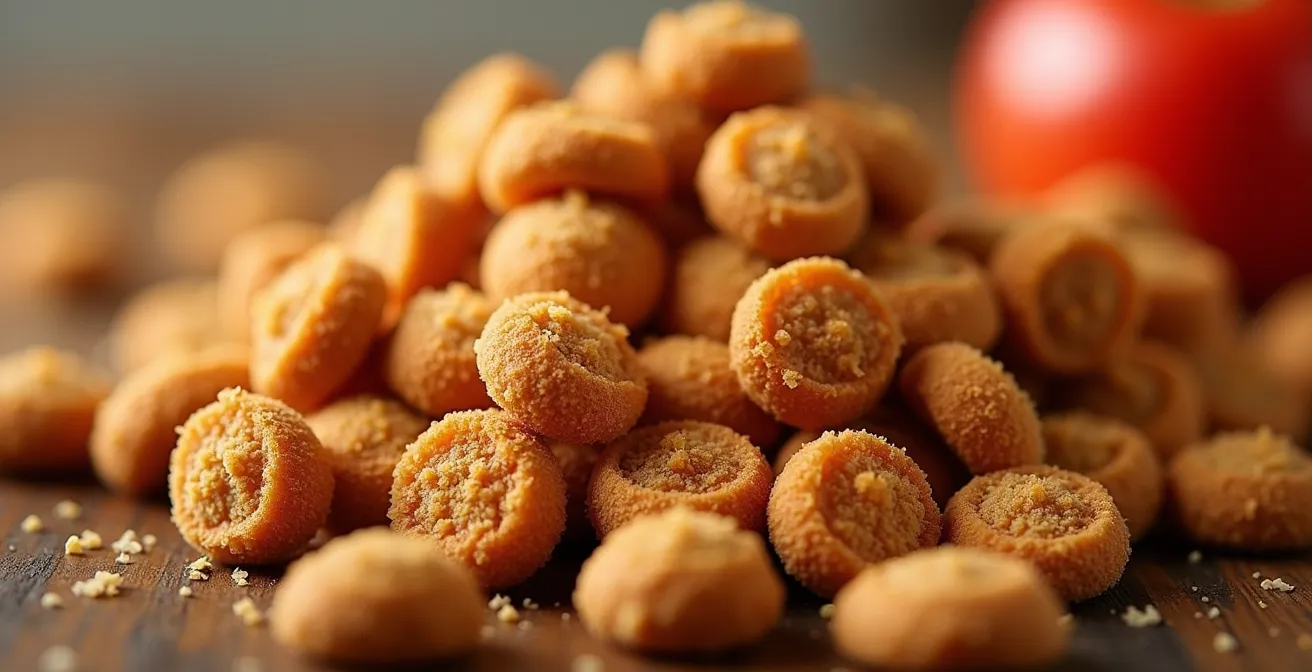
As the microscopic view suggests, the browned, caramelized surface of kibble is evidence of these intense chemical reactions. While many manufacturers add a “vitamin pack” after extrusion to compensate for the losses, the bioavailability of these synthetic additions may not match that of the naturally occurring nutrients that were destroyed. This is another layer where the label can be misleading, listing vitamins that may not be fully usable by the animal.
Therefore, a pet food’s formulation must be judged not only by its raw ingredients but by the method used to transform them into the final product. Less aggressive cooking methods, like baking or freeze-drying, often preserve more of the food’s original nutritional integrity.
Chelated Minerals vs. Oxides: Which Absorption Rate Justifies the Price?
Just as protein quality varies, the form of essential minerals included in pet food profoundly affects their bioavailability. Minerals like zinc, iron, and copper are vital for countless bodily functions, but they cannot be absorbed in their raw, inorganic state. They must be attached to an organic molecule, like an amino acid or a protein, to be transported across the intestinal wall. The ingredient list is where you can find clues about the quality of these crucial micronutrients.
You will often see minerals listed in two primary forms: inorganic salts (e.g., zinc oxide, copper sulfate) or chelated minerals (e.g., zinc proteinate, copper amino acid complex). Inorganic salts are cheap and common, but their absorption rate is poor. These minerals can easily bind with other elements in the digestive tract and be excreted without ever being used. In contrast, chelation is a process where the mineral is bonded to amino acids, essentially “pre-digesting” it and protecting it from interference. This chelated form mimics how minerals are naturally found in whole foods, making them far more recognizable and absorbable by the body.
While chelated minerals are more expensive for manufacturers to include, the difference in absorption can be staggering. For example, some specialized forms of selenium, a critical antioxidant, demonstrate this principle clearly. According to one leading pet food company that utilizes advanced ingredients, their formulation uses organic selenium that is 98% bioavailable, a stark contrast to standard, less-absorbable forms. This means that nearly all of the mineral is available for the pet to use. A pet food using cheaper oxide forms would need to include a much higher quantity to deliver the same effective dose, placing more stress on the pet’s system to filter out the unused excess.
When you see “proteinate,” “amino acid complex,” or “chelate” on the ingredient list, it is a strong indicator that the manufacturer has invested in superior bioavailability. This attention to detail justifies a higher price point, as it ensures the nutrients listed on the label actually make it into your pet’s bloodstream.
The Fiber Mistake That Blocks Nutrient Absorption in Cats
Fiber is an essential component of a balanced diet for both dogs and cats, but its type and quantity can have a dramatic impact on overall nutrient absorption. It is often added to pet food to promote digestive regularity and satiety. However, an excess of the wrong kind of fiber can act as an “anti-nutrient,” actively blocking the absorption of vital minerals and even protein, a particular concern for obligate carnivores like cats.
There are two main types of fiber: soluble and insoluble. Soluble fiber (found in sources like beet pulp or chicory) dissolves in water to form a gel, which can slow digestion and support a healthy gut microbiome. Insoluble fiber (found in sources like cellulose or peanut hulls) does not dissolve and acts primarily as a bulking agent. The problem arises when pet foods, especially “lite” or “weight management” formulas, are packed with high levels of insoluble fiber to create a feeling of fullness with fewer calories. This excess bulk can speed up digestive transit time to the point where the body doesn’t have enough time to extract and absorb essential nutrients from the food before it is excreted.
Furthermore, these insoluble fibers can physically bind to minerals like calcium, zinc, and iron in the gut, forming indigestible complexes that are simply passed out as waste. For a cat, whose digestive system is optimized for a high-protein, low-carbohydrate diet, an overload of plant-based fiber can be particularly detrimental. Their shorter digestive tract is less equipped to handle large amounts of fibrous material, exacerbating the nutrient-blocking effect. A food might appear balanced on the label, but if it relies heavily on cheap, insoluble fiber fillers, the true bioavailability of its entire nutrient profile is compromised.
Action Plan: Auditing Your Pet Food for True Nutrient Value
- Analyze the Protein Source: Look for named animal proteins (e.g., deboned chicken, salmon meal) in the first few ingredients. Be wary of vague terms like “meat and bone meal” or a heavy reliance on plant proteins (e.g., corn gluten meal, pea protein) at the top of the list.
- Investigate the Mineral Forms: Scan the ingredient list for minerals. Prioritize foods using “proteinate” or “chelate” forms (e.g., zinc proteinate) over “oxide” or “sulfate” forms (e.g., zinc oxide).
- Assess the Fiber Content: Check for the type of fiber used. High amounts of “powdered cellulose” or “hulls” in weight-management foods can be a red flag for potential nutrient blocking. Look for a balanced blend that includes beneficial soluble fibers.
- Consider the Cooking Method: Research the brand to see if they use methods other than high-heat extrusion. Foods that are baked, air-dried, or freeze-dried often retain higher nutritional integrity.
- Look for Beneficial Extras: The presence of probiotics, prebiotics, and antioxidants (like tocopherols) indicates a manufacturer focused on digestibility and overall health, not just basic nutrient minimums.
Therefore, while fiber is necessary, its role must be balanced. An over-reliance on cheap, insoluble fillers is a common strategy to cut costs and calories, but it comes at the hidden price of reduced overall nutritional value.
How to Add Probiotics to Increase Nutrient Uptake?
The digestive tract is a complex ecosystem, home to trillions of microorganisms collectively known as the gut microbiome. The health of this microbiome is fundamental to your pet’s ability to extract nutrients from its food. Probiotics, which are live beneficial bacteria, play a starring role in maintaining this delicate balance. When added to a pet’s diet, they help fortify the population of good bacteria, which in turn enhances digestion and boosts nutrient absorption.
Beneficial gut bacteria produce enzymes that help break down food components that the pet’s own system cannot, such as certain fibers and complex carbohydrates. This process unlocks additional nutrients from the food, effectively increasing its bioavailability. Furthermore, a healthy gut lining, supported by a robust microbiome, is more efficient at transporting absorbed nutrients into the bloodstream. When the microbiome is out of balance (a state called dysbiosis), inflammation can damage the gut wall, impairing this crucial transport system. Probiotics help to crowd out harmful bacteria, reduce inflammation, and strengthen the intestinal barrier.
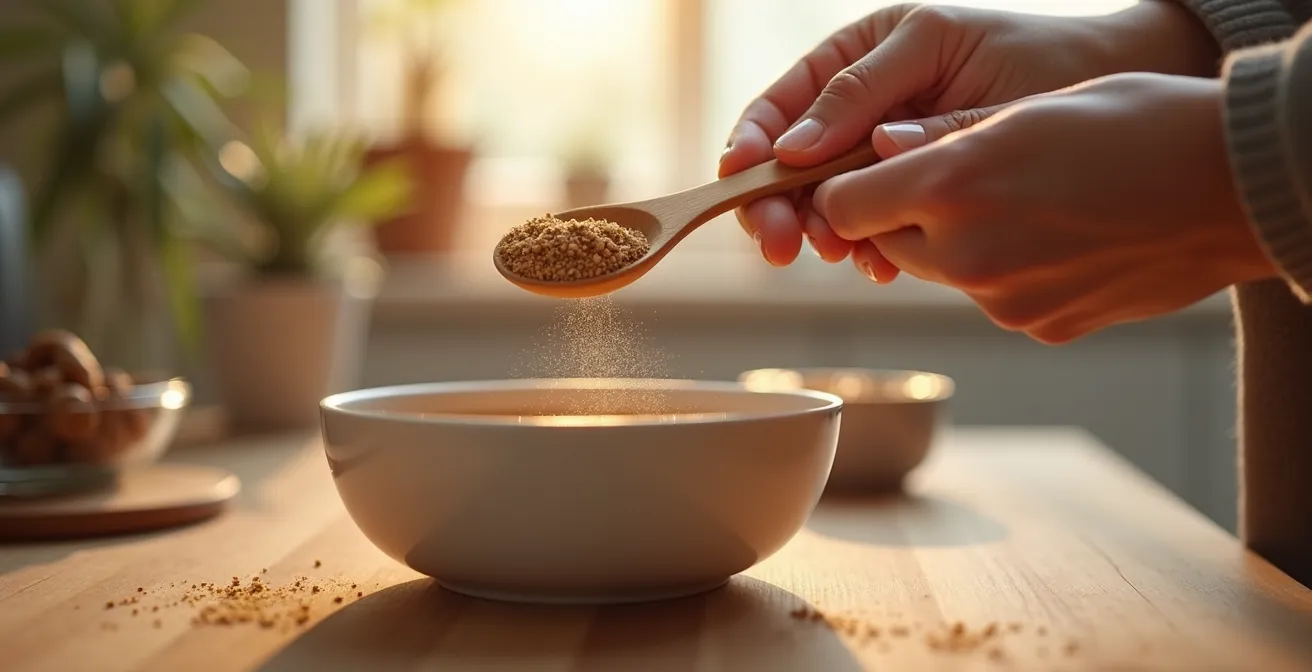
Adding probiotics can be done in several ways. Many high-quality commercial pet foods now include guaranteed live microorganisms in their formulas. When choosing a food, look for a statement on the package that guarantees the number of live cultures (measured in CFU, or Colony-Forming Units) at the time of expiration, not just at the time of manufacture, as these bacteria can die off over time. Alternatively, probiotics can be given as a supplement, available in powders, chews, or capsules. This approach allows for more precise dosing and is particularly useful for pets with digestive sensitivities or during times of stress, such as after a course of antibiotics, which can disrupt the gut microbiome.
By supporting the microscopic ecosystem within the gut, you are directly investing in your pet’s ability to get the maximum value from every meal, turning their food into true, usable nutrition.
Why High Protein Isn’t Always Better for Older Dogs?
The conversation around protein for senior dogs is often clouded by a persistent myth: that high-protein diets are inherently dangerous for aging kidneys. While this has been largely debunked for healthy seniors, the nuance of protein *quality* becomes more critical than ever. For an older dog, the issue is not protein itself, but the metabolic stress caused by processing large quantities of low-bioavailability protein. A diet high in indigestible protein forces the kidneys and liver to work much harder to filter and excrete the resulting nitrogenous waste.
As dogs age, their organ function, including that of the kidneys, can naturally decline. Their bodies also become less efficient at synthesizing protein, meaning they require a steady supply of high-quality amino acids to maintain muscle mass and support immune function. Providing a “high protein” diet sourced from inferior ingredients like feather meal or low-grade meat by-products is counterproductive. The dog’s system struggles to break it down, gleaning few usable amino acids while being burdened with a large volume of metabolic waste. This unnecessary strain can exacerbate underlying kidney issues and contribute to a decline in overall health.
Conversely, feeding a senior dog a diet with a moderate amount of highly bioavailable protein from sources like chicken muscle, fish, or eggs is ideal. The body can easily digest and absorb these proteins, efficiently using the amino acids for muscle maintenance, skin and coat health, and immune support, with minimal waste. This approach provides all the benefits of protein without placing undue stress on aging organs. Therefore, for senior pets, the focus must shift decisively from the crude protein percentage to the digestibility and quality of the protein sources listed in the ingredients.
Choosing a food with a slightly lower, but more digestible, protein content is a far more physiologically sound strategy for supporting the health and longevity of an older companion.
Why Cheap Accessories Cost Your Pet Comfort in the Long Run?
Investing in a nutritionally superior, highly bioavailable pet food is a critical step toward ensuring your pet’s long-term health. However, this investment can be inadvertently undermined by overlooking the quality of the very accessories used to deliver that food and water. Opting for cheap plastic bowls, for example, can introduce health risks that negate the benefits of a premium diet, creating a weak link in your pet’s overall wellness ecosystem.
The primary concern with low-quality plastic accessories is the potential for chemical leaching. Many cheap plastics contain compounds like Bisphenol A (BPA), phthalates, and other endocrine disruptors. Over time, and especially when exposed to heat or the oils and acids present in pet food, these chemicals can migrate from the bowl into the meal. Ingesting these substances, even in small amounts daily, can contribute to a range of health issues, from hormonal imbalances to an increased risk of certain cancers. This chronic, low-grade toxicity places a constant strain on the pet’s metabolic and detoxification systems.
Furthermore, plastic bowls are prone to developing microscopic scratches and cracks. These tiny crevices become breeding grounds for harmful bacteria, which are difficult to remove even with regular washing. This can lead to issues like pet acne (folliculitis) on the chin and mouth or more serious digestive upset. Investing in non-porous, food-grade materials like stainless steel or ceramic eliminates these risks. These materials do not leach harmful chemicals and are far easier to clean and sanitize, ensuring that the high-quality food you provide is served in a safe, hygienic vessel. In the long run, the small additional cost for a quality bowl is a worthwhile investment in preventative health, ensuring the full benefits of a bioavailable diet are realized.
Ultimately, a pet’s health is a system. The integrity of that system depends on every component, from the bioavailability of their food to the safety of the bowl it’s served in.
Key Takeaways
- Crude protein percentage is a marketing metric; bioavailability is the true measure of nutritional value, determining how much protein your pet can actually absorb.
- High-heat extrusion, the common method for making kibble, can destroy essential vitamins and create inflammatory compounds, reducing the food’s overall quality.
- The source and form of ingredients are paramount: protein from muscle is superior to that from gristle, and chelated minerals are far more absorbable than inorganic oxides.
Homemade Pet Food: The Nutrient Gap That Risks Malnutrition
The desire to feed a pet a homemade diet often stems from the best of intentions: to provide fresh, whole-food nutrition and avoid the pitfalls of commercial processing. While this approach can be successful, it carries a significant risk of creating a “nutrient gap” if not formulated with expert precision. Many well-meaning owners inadvertently create diets that, while appearing healthy, are deficient in essential nutrients or contain them in forms with very poor bioavailability, leading to long-term malnutrition.
A common mistake is assuming that what is healthy for a human is directly transferable to a dog or cat. This fails to account for their unique physiological needs and the bioavailability of nutrients from different sources. Perfectly Rawsome, a resource for raw feeding, highlights a classic example of this misunderstanding:
The common recommendations include wheatgrass, spinach, kale, and broccoli which all do provide iron; however the iron is non-heme which means the bioavailability is poor for dogs and cats. Although a certain food can provide specific nutrients, it may not be in the ideal amounts or in a bioavailable form. Most will agree that animal protein is superior to plant protein when feeding a dog and cat a home prepared diet. Pet owners should be mindful of these foods and how nutrient bioavailability can impact long term health.
– Perfectly Rawsome, Bioavailable Nutrients in Fresh Foods Guide
This illustrates the core problem: a diet can be rich in a nutrient on paper, but if that nutrient is in a form the pet cannot easily absorb (like non-heme iron from plants for a carnivore), a deficiency can develop over time. Achieving the correct balance of amino acids, the proper calcium-to-phosphorus ratio, and ensuring adequate levels of trace minerals and vitamins like taurine (for cats) requires a deep understanding of nutritional science. Without it, homemade diets can lead to serious health consequences, including developmental abnormalities in young animals, weakened immune systems, and poor organ function.
If you are committed to a homemade diet, consulting with a board-certified veterinary nutritionist is not a recommendation; it is an absolute necessity to ensure the diet is complete, balanced, and truly beneficial for your pet’s long-term health.